Wimbledon Common moves: Dealing with narrow lanes
Posted on 06/05/2026
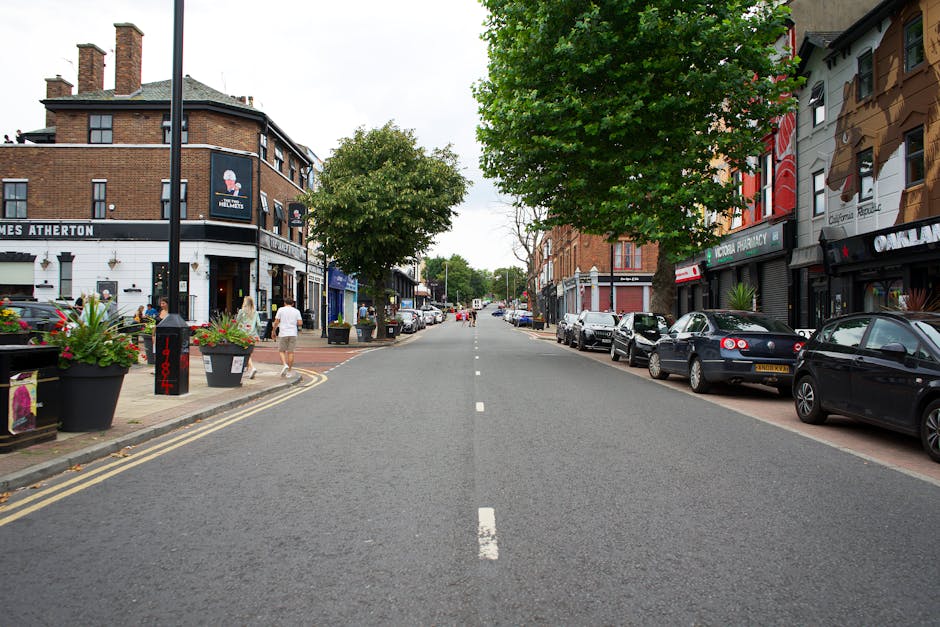
Moving near Wimbledon Common can look straightforward on a map and then, suddenly, become a bit of a puzzle on the ground. Narrow lanes, parked cars, awkward turning points, trees overhanging the road, and the usual London squeeze can all turn a simple house move into a careful bit of choreography. That is exactly why Wimbledon Common moves: Dealing with narrow lanes deserves proper planning, not just a bigger van and a hopeful attitude.
If you are moving from a period house off a tight residential road, a flat with limited access, or a family home where the nearest space is a good walk away, the difference between a smooth day and a stressful one usually comes down to preparation. The good news? Narrow lanes are manageable. Not always easy, mind you, but manageable. With the right vehicle choice, timing, packing strategy, and a sensible loading plan, you can protect your belongings and your sanity.
In this guide, we will walk through what makes Wimbledon Common access tricky, how removals are typically handled in narrow lanes, and what practical steps really make a difference. You will also find a checklist, a comparison table, and a realistic example so you can plan with confidence rather than guesswork.
Why Wimbledon Common moves: Dealing with narrow lanes Matters
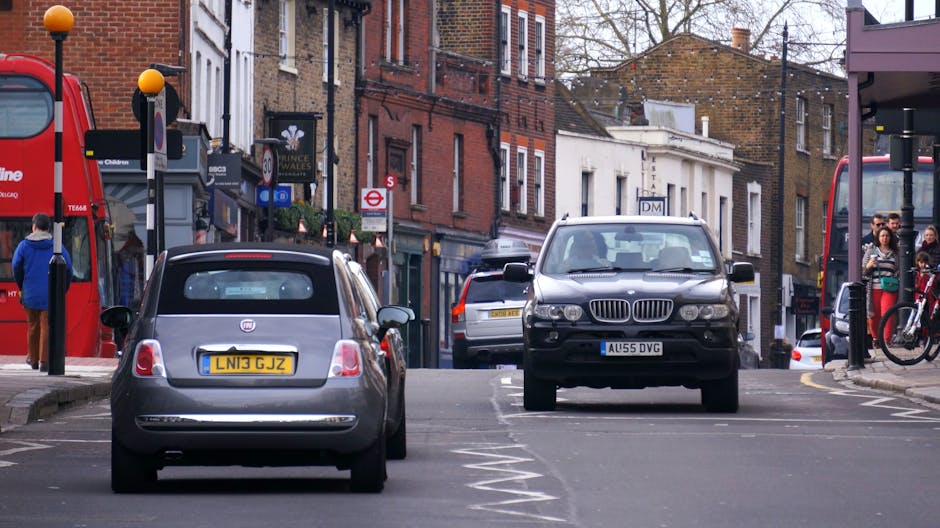
Wimbledon Common and the streets around it often combine desirable homes with older road layouts. That is lovely for character, but less lovely for a removal lorry trying to swing round a bend without clipping a wing mirror. Narrow lanes matter because they affect almost every part of a move: vehicle access, loading time, parking, neighbour relations, carrying distance, and even the order in which your items should be packed.
It is easy to underestimate the ripple effect. If a van cannot park directly outside, you may need a shuttle run from a wider road. If the lane is one-way or too tight for two vehicles to pass, arrival timing becomes critical. If there are low branches or parked cars, the route may need a quick check the day before. Small details, yes, but they add up fast.
For anyone booking professional removals in Merton, this kind of access issue is not a side note. It is often the main planning factor. And if you are comparing options, a service like the full services overview can help you understand what is included before the move day pressure kicks in.
There is also a people side to this. Narrow lanes can be busy, quiet, or awkwardly both. Neighbours may be coming and going, bin lorries may have limited space to manoeuvre, and even a short block can create a bit of tension if the move is not organised. A tidy, respectful approach avoids a lot of friction. Truth be told, that alone can save you a headache.
How Wimbledon Common moves: Dealing with narrow lanes Works
Dealing with narrow lanes is less about brute force and more about logistics. The process usually starts with assessing whether a full-size removal van can reach the property safely. If not, a smaller vehicle, a man and van setup, or a staged transfer from a nearby parking point may be a better fit.
In practice, the move often works like this:
- Access check - The route is reviewed for width, bends, height restrictions, parking pressure, and turning space.
- Vehicle choice - The van size is matched to the road, not just to the volume of belongings.
- Arrival timing - The mover plans for quieter windows where possible, so loading is less disrupted.
- Parking plan - If direct parking is impossible, a legal and practical fallback location is identified.
- Load strategy - Heavy, fragile, and bulky items are prioritised so carrying distance and handling risk stay under control.
- Protective handling - Doorways, banisters, and furniture edges are protected more carefully because the carry route is often longer and tighter.
For homes with stairs, corners, or awkward entrances, this becomes even more relevant. If you are moving from a flat, for example, a service such as flat removals in Merton may be the more suitable starting point than a generic quote. Narrow lanes and flats often go hand in hand. Not always, but often enough.
The key thing is that the move is designed around the property, not forced into a standard template. That is what separates a careful move from a rushed one.
Key Benefits and Practical Advantages
Planning for narrow lanes is not just about avoiding damage. It gives you a more controlled move overall. That sounds obvious, but in the real world a controlled move means fewer surprises, fewer delays, and fewer opportunities for a sofa to become the villain of the day.
- Less risk of vehicle damage - Tight lanes leave little room for error, so a suitable van reduces the chance of scrapes and awkward manoeuvres.
- Safer handling of furniture - Shorter, clearer carry routes help protect large items such as wardrobes, tables, and beds.
- Better time management - When the route is planned, the team spends less time improvising on the pavement.
- Lower stress for you - You are not trying to solve parking, access, and packing all at once on moving day.
- Improved neighbour relations - A move that is quiet, tidy, and efficient tends to be better received.
There is also a practical cost angle. A move that is well-matched to the road layout may avoid wasted labour, repeated trips, or the need for last-minute changes. If you are early in the planning stage, a page like pricing and quotes can give you a useful starting point for understanding what factors affect the final cost. For a more detailed breakdown, the article on SW19 Wimbledon removals costs is also worth a look.
And then there is speed. Narrow lanes do not always mean slow moves, but they do reward good sequencing. If the move team knows exactly what is going first, what needs extra care, and where the van can sit without blocking the road, the whole day feels calmer. Calm is underrated.
Who This Is For and When It Makes Sense
This kind of planning makes sense for a lot of people, but especially if one of these sounds familiar:
- You live on or near a narrow residential lane around Wimbledon Common.
- Your property is on a road with limited parking or frequent passing traffic.
- You are moving a family home with bulky furniture and multiple rooms.
- You are relocating a flat where access is tight and carrying distance matters.
- You have delicate or awkward items, such as a piano, that need extra space and handling care.
- You need a move completed in a shorter window, perhaps because of handover timing.
For students or smaller households, the move may be simpler, but the road layout can still create issues. A compact vehicle or man with van Merton service can be a practical fit where a full-size lorry would struggle. Likewise, if you are moving something particularly awkward, such as an upright instrument, the specialist route matters. You can read more on piano removals in Merton if that is part of your plan.
If you are not sure whether your move needs this level of planning, ask a simple question: Can a van reasonably and safely stop outside the property for loading? If the answer is "maybe" or "not really", you probably need a narrow-lane plan. Easy enough.
Step-by-Step Guidance
Here is a practical way to handle a move in a tight Wimbledon Common lane without turning it into a last-minute scramble.
1. Walk the route before moving day
Do a quick on-foot check from the property to the nearest workable parking point. Notice where cars tend to park, whether the road narrows near a bend, and if anything blocks higher vehicles, such as overhanging branches. Even a five-minute walk can reveal a lot.
2. Measure the awkward bits
You do not need engineering precision, but you should know if the lane feels suitable for a van, whether there is a sharp turning area, and where loading might realistically happen. If you are moving large furniture, this is especially helpful. A service like furniture removals in Merton is most effective when these details are clear in advance.
3. Choose the right vehicle size
A bigger van is not always the better van. In narrow lanes, smaller and more manoeuvrable vehicles can be safer and faster. If direct access is unlikely, ask whether a smaller removal van or shuttle arrangement would be more sensible. A dedicated removal van in Merton may solve a problem that a larger vehicle would create.
4. Pack for carrying distance, not just storage
When the van cannot park directly outside, packing becomes more important. Boxes should be sturdy, clearly labelled, and not overfilled. Heavy items go into smaller boxes. Fragile items should be grouped together so they can be handled carefully without extra repacking. If you need help getting organised, packing and boxes support in Merton is a sensible place to start.
5. Confirm the loading point and timing
Agree the best place for the van to stop, and if there is likely to be a delay, build that into the schedule. In a narrow lane, being "almost on time" can still be a problem if several cars are already parked in the wrong place. It happens. More than you would think.
6. Keep a clear first-load plan
The first items out of the property should usually be those that are heavy, awkward, or needed to stabilise the rest of the load. That way, if access is difficult, the most demanding lifting is done while everyone is still fresh and focused.
7. Leave a small buffer
Set aside a little extra time. Not dramatic, just realistic. A lane that looks clear at 8:00 can be blocked by 8:30. A calm buffer means one delay does not unravel the whole day.
Expert Tips for Better Results
There are a few things that experienced movers tend to do instinctively, and they make a surprisingly big difference.
- Use smaller loads per carry - Less strain, less chance of bumping walls, and fewer awkward turns.
- Protect the property edge first - Hallways, gate posts, and door frames are often the first things to get scratched if people are rushing.
- Keep one person focused on the route - Someone needs to watch the wider picture: parked cars, neighbours, and whether the van is still positioned safely.
- Don't overstuff boxes - A packed-to-the-brim box is miserable on a narrow staircase. Also, it bruises your back. Ask anyone who has done it.
- Prioritise direct communication - If the parking position changes, everyone should know immediately.
One small but useful habit: place the most frequently needed items in a clearly marked "first access" box. Kettle, chargers, basic toiletries, a few mugs, maybe toilet paper. Not glamorous, but on moving day it feels oddly luxurious. If you are moving into temporary storage, you may also want to think ahead about man and van Merton options or even a storage arrangement depending on your timeline.
Another point that gets missed: check whether the lane is likely to be affected by school runs, local deliveries, or weekend traffic. Wimbledon Common can feel peaceful in the morning and completely different later on. Timing is part of the job.

Common Mistakes to Avoid
Most moving problems in narrow lanes are preventable. Here are the ones that crop up most often.
- Booking the wrong vehicle - Too large, and it cannot manoeuvre. Too small, and you create unnecessary trips.
- Assuming street parking will be fine - It may be, but assumption is not a plan.
- Packing heavy boxes too full - This slows everything down and raises the risk of damage or injury.
- Leaving fragile items for the last minute - The final hour is when rushed handling tends to happen.
- Not checking access at both ends - The new property can be just as tricky as the old one.
- Forgetting about height limits and overhanging trees - Not every problem is at wheel level.
To be fair, these mistakes are often made because people are trying to keep things simple. But simple and rushed are not the same thing. A move near Wimbledon Common usually rewards the person who slowed down a little at the planning stage.
Tools, Resources and Recommendations
You do not need a complicated toolkit to manage a narrow-lane move, but a few practical resources help a lot.
- Measuring tape - Useful for checking furniture dimensions against doorway and hallway space.
- Marker pens and labels - Good labelling reduces confusion when items are carried from a distance.
- Furniture covers and blankets - Ideal for protecting corners and polished surfaces.
- Strong packing tape - A small thing, but a weak box seal is the kind of problem nobody needs.
- Moving trolleys - Helpful for flat access where carrying multiple boxes by hand is inefficient.
- Clear itinerary notes - Arrival time, parking point, contact details, and any access codes should be easy to find.
If you are comparing removal support, a local removal services in Merton page can help you understand what types of support are available for different move sizes. For broader decision-making, removal companies in Merton is a useful reference point when you want to compare providers and service styles.
And if your move is part of a larger local change - perhaps you are settling into the area or moving between nearby neighbourhoods - the guide on house removals in Merton is worth exploring too. It gives a good sense of how residential moves are typically handled in the area.
Law, Compliance, Standards, or Best Practice
For a residential move in narrow lanes, the main compliance issues are usually practical rather than dramatic. Still, the basics matter. Vehicles should be parked legally, access should not create unnecessary obstruction, and lifting should be done with care to reduce the chance of injury. If any part of the move involves shared access, building rules, or a managed property, check those requirements early.
Best practice also includes proper handling of belongings, clear communication, and careful route planning. Good movers should be able to talk through insurance, safety, and any limits on what they can do at the property. If you want to understand how a provider approaches this side of the job, pages such as insurance and safety, health and safety policy, and terms and conditions are the sort of information that builds trust.
There is also a wider duty of care around fair working practices and responsible operations. If you are reviewing a company thoroughly, you may also want to look at their about us page and related policy pages. That is not just box-ticking. It tells you how seriously they take the work.
For some customers, sustainability is part of the decision too. If that matters to you, the page on recycling and sustainability can be a useful indicator of how unwanted packing materials or surplus items may be handled.
Options, Methods, or Comparison Table
There is more than one way to handle a move in a narrow lane. The best option depends on access, volume, and how much walking you are happy to do between the property and the van.
| Method | Best for | Advantages | Trade-offs |
|---|---|---|---|
| Full-size removal van | Larger loads with reasonably good access | Efficient for big house moves; fewer trips | Can be awkward or impossible in tight lanes |
| Smaller removal van | Residential roads with limited turning space | More manoeuvrable; often easier to park | May need more than one journey for larger moves |
| Man and van | Flat moves, smaller homes, lighter loads | Flexible, practical, usually easier in tight streets | Less suited to very large or complex moves |
| Shuttle-style transfer | When direct parking is not possible | Solves access issues by using a wider parking point | Can take longer and needs more coordination |
If you are weighing up a lighter move, a man with a van in Merton can be a good middle ground. For some people, that is exactly the right balance: not too much vehicle, not too little support. For others, especially where several rooms are involved, house removals are the safer choice because they bring more structure to the day.
And if you are moving quickly, perhaps at short notice, then a service such as same-day removals in Merton can sometimes be helpful, though narrow-lane access should still be checked carefully first. Speed is useful. Speed without access planning, less so.
Case Study or Real-World Example
Imagine a couple moving from a Victorian terrace near Wimbledon Common into a flat a few streets away. The old road is narrow, there are cars parked on both sides, and the property sits just beyond a bend. On paper, the distance is tiny. In real life, the access is the issue.
Instead of sending in a large vehicle and hoping for the best, the move is split into a sensible sequence. The team checks the route early in the morning, identifies a wider stopping point, and carries the larger items in a planned order. Beds, sofa, and dining table go first because they are bulky and awkward. Boxes follow in labelled batches. Fragile items are loaded separately and not squeezed into random gaps. One person stays focused on the parking position while the others work the carry route.
What makes this effective is not magic. It is just preparation.
By the end of the move, there is no drama, no blocked lane for an hour, and no frantic reshuffling because the wardrobe will not fit round the corner. The clients can get the kettle on, the team can finish cleanly, and everyone gets on with the day. A small win, perhaps, but a meaningful one.
That same approach applies whether you are moving into a family home, a smaller flat, or somewhere temporary while a larger property is being prepared. If your move overlaps with storage needs, you may also want to consider the local storage option available through the site. For some households, that extra breathing room makes all the difference.
Practical Checklist
Use this quick checklist before moving day. It is simple, but it saves a lot of bother.
- Check whether the lane can safely accommodate the planned vehicle.
- Identify the best loading point and a backup if parking is blocked.
- Measure large furniture and awkward items in advance.
- Pack heavy items into smaller boxes.
- Label fragile boxes clearly on at least two sides.
- Confirm access details, entry codes, and any property restrictions.
- Protect floors, doors, and furniture corners where needed.
- Set aside a first-night essentials box.
- Keep a buffer in the timetable for delays.
- Make sure everyone involved knows the contact plan for the day.
Expert summary: when narrow lanes are part of the move, the winning strategy is usually not more muscle, but better sequencing, better parking decisions, and better packing. That is the whole game, really.
Conclusion
Wimbledon Common moves: Dealing with narrow lanes is all about turning a potentially awkward route into a controlled, practical moving day. Once you understand the access, choose the right vehicle, and pack with the carry route in mind, the job becomes far more manageable. A narrow lane does not have to mean a difficult move. It just means the planning has to be sharper.
If you are comparing services, exploring local support pages, or trying to decide whether you need a van, a man and van setup, or a fuller house move package, take the time to match the service to the street outside your door. That one decision can save hours. Sometimes more. And, lets face it, moving day is easier when you are not improvising by the kerb with a wardrobe and a bad feeling.
Get a free quote today and see how much you can save.
With the right approach, even a tight Wimbledon Common lane can lead to a calm, organised start in your new place. That is the bit worth aiming for.