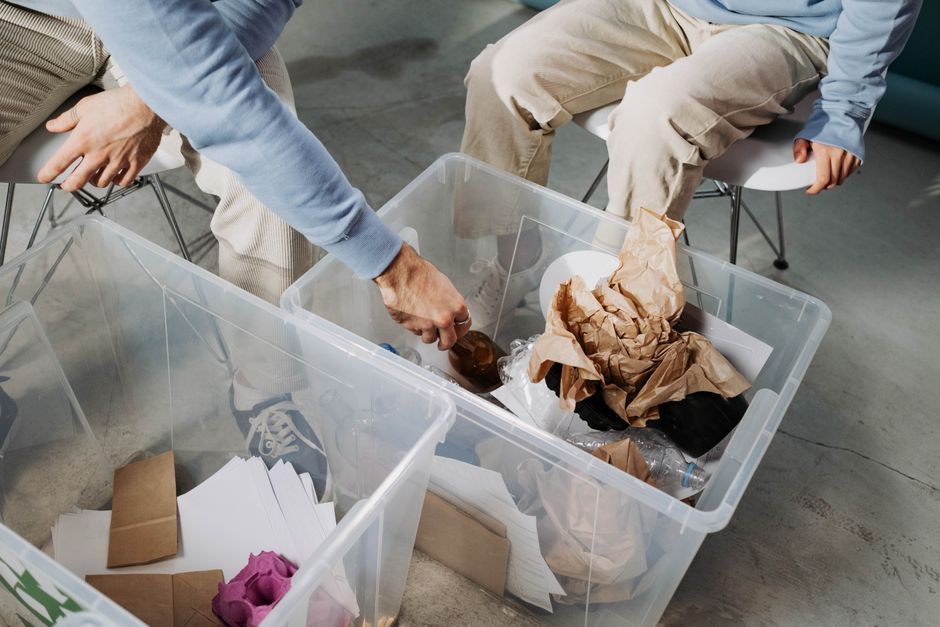
Eco-friendly removals in Merton: Recycling tips
Moving house or office can create a surprising amount of waste. Old boxes pile up, a broken chair turns into "we'll deal with that later," and suddenly the skip bag is fuller than the van. If you're planning Eco-friendly removals in Merton: Recycling tips are the easiest way to keep the move organised, cut waste, and feel better about what leaves your property.
The good news? A greener move is usually a calmer move too. When you sort items properly, choose reusable packing materials, and decide early what should be donated, recycled, sold, or responsibly collected, you avoid that last-minute panic on moving day. This guide covers the practical side of it all: what to recycle, what to keep, how to reduce landfill, and how to make moving day less chaotic without turning it into a full-time project. Easy enough in theory. A bit fiddly in practice. But very doable.
For readers who want a wider view of a greener move, the site's recycling and sustainability approach is a useful place to start, especially if you are comparing how to handle bulky items, packaging, and left-behind furniture.
Table of Contents
- Why eco-friendly removals in Merton matter
- How eco-friendly removals work
- Key benefits and practical advantages
- Who this is for and when it makes sense
- Step-by-step guidance
- Expert tips for better results
- Common mistakes to avoid
- Tools, resources and recommendations
- Law, compliance, standards and best practice
- Options, methods, and comparison
- Case study or real-world example
- Practical checklist
- Conclusion
- Frequently asked questions
Why Eco-friendly removals in Merton: Recycling tips Matters
Merton is a busy, lived-in part of London, with flats, family homes, student lets, and small businesses all generating different kinds of moving waste. That matters because not everything should be bundled into one pile and whisked away. Old cardboard can be reused or recycled. Furniture may still have a second life. Electricals need careful handling. And some materials simply need to be separated if you want to avoid unnecessary landfill.
To be fair, most people do not set out to waste anything. They just run out of time. The move date gets closer, the labels are still missing, and the garage has become a storage room for every item you meant to sell "next weekend." That is where recycling tips earn their keep. They create a simple plan before the moving chaos begins.
Eco-friendly removals are not only about being kind to the planet. They also make the move feel less cluttered and more intentional. You see exactly what you own. You keep hold of what matters. You let go of the rest with a clear head, not a rushed one at 9pm while standing in a room full of mismatched boxes.
If your move includes furniture you no longer need, a dedicated furniture removals service or furniture pick-up option can help you move larger items into reuse, resale, or recycling pathways rather than treating everything as waste.
Local relevance matters too. In a borough like Merton, where access, parking, and narrow stairwells can already complicate removals, reducing unnecessary items can make the whole process smoother. Less load, fewer trips, less strain. It all adds up.
How Eco-friendly removals in Merton: Recycling tips Works
The process is simpler than many people think. Eco-friendly removals usually follow a pattern: sort, separate, reuse, recycle, then dispose of what remains responsibly. The trick is doing that before moving day, not in a frantic rush when the van is already outside and your neighbour is politely pretending not to watch.
Start by dividing your belongings into clear categories:
- Keep - items you are taking with you.
- Donate - usable items that can help someone else.
- Sell - good-condition items worth passing on.
- Recycle - material that can go to proper recycling streams.
- Dispose - damaged, unusable, or contaminated items.
Once you have those groups, you can plan the removal around them. Smaller items go into clearly marked boxes. Reusable packing materials are kept separate. Bulky furniture is assessed individually. If needed, storage can also play a role, especially if your move is staggered or you are downsizing. A storage solution can stop you from dumping useful items simply because there is no immediate space for them.
A good removals team will not just lift and load. They will help you think through the movement of items in a practical way. For example, some items are better moved intact rather than wrapped wastefully. Others, like mixed-material shelving or broken wardrobes, should be taken apart carefully so components can be sorted properly. It sounds small, but it matters.
And yes, the packing stage matters just as much as the disposal stage. If you are still sourcing supplies, the packing and boxes page is a sensible reference point for planning reusable or recyclable packing choices before the move gets underway.
Key Benefits and Practical Advantages
When people hear "eco-friendly move," they often think it is all about the environment. It is that, of course. But there are some very practical upsides too.
- Less waste - you throw away less because you sort more carefully.
- Lower stress - every item has a decision attached to it before moving day.
- Cleaner packing - reusable crates, boxes, and protective wraps reduce mess.
- Better use of space - fewer unwanted items means more efficient loading.
- Potential cost savings - less volume can mean fewer trips or a smaller vehicle requirement.
- Better resale or donation outcomes - items are passed on while still in decent condition.
There is also a quieter benefit: peace of mind. You know what happened to your things. No mystery pile in the corner. No "I think the side table went with the broken lamp?" moments. Truth be told, that clarity can feel a bit luxurious during a move.
For homes, this can be especially helpful when using home moves support or house removals, because whole-house moves tend to reveal just how much unused stuff has been hiding in cupboards for years. Office clients notice it too, especially during office removals where archived materials, old chairs, and redundant equipment can quickly get out of hand.
| Approach | Best for | Main advantage | Watch out for |
|---|---|---|---|
| Reuse and donate | Good-condition furniture, household items, office items | Extends item life and reduces waste | Items must be clean, complete, and usable |
| Recycle by material | Cardboard, metal, some plastics, some electricals | Keeps recoverable materials out of landfill | Mixed materials can be tricky to sort |
| Responsible disposal | Damaged, unsafe, or contaminated items | Safer than leaving items behind or fly-tipping them | Not everything can be recycled |
| Partial storage | Moves with gaps, downsizing, temporary relocation | Prevents rushed disposal decisions | Needs planning so storage does not become a second attic |
Who This Is For and When It Makes Sense
Eco-friendly removals in Merton make sense for a lot of people, but the fit is strongest when you have items that are still useful or a move that needs a little strategy.
This approach is especially useful if you are:
- moving from a family home with years of accumulated belongings
- downsizing into a flat or smaller property
- leaving a student rental and do not want to bin usable furniture
- relocating a business office and need to deal with old furnishings or paperwork
- planning a long-distance or staged move where not everything goes at once
- trying to clear a property before sale or end of tenancy
If you are in a flat, access and stairwells can make clutter feel twice as awkward. In that case, flat removals combined with pre-sorting can save a lot of lifting and a fair bit of frustration too. Student moves are another common fit. When you are dealing with limited storage, shared kitchens, and items bought in a rush from somewhere cheap and cheerful, a quick sort can prevent a surprising amount of waste.
Commercial moves are different again. A business that clears out old desks, packaging, or office equipment should be thinking not just about speed but about responsible handling. That is where commercial moves and office relocation services become especially relevant.
And yes, sometimes the need is simply this: you have too much stuff. Happens to the best of us.
Step-by-Step Guidance
Here is a practical way to handle recycling and eco-friendly removals without turning the whole move into a giant weekend project.
- Audit each room early. Go room by room and decide what stays, what goes, and what can be reused. Don't wait until the night before. You will hate yourself a little.
- Separate items by category. Put donation goods, recyclables, and disposal items into different piles or boxes.
- Check condition honestly. If something is stained, broken beyond easy repair, or missing key parts, do not overestimate its second life.
- Prioritise reusable packing materials. Use sturdy boxes, blankets, and wraps as many times as possible before recycling them.
- Disassemble bulky furniture. It often makes transport safer and lets you separate wood, metal, and mixed materials more effectively.
- Label everything clearly. Mark boxes as "keep," "donate," "recycle," or "fragile." It sounds almost too simple. It isn't.
- Book the right service level. If you only need help with one van-load of items, a man with van or a removal van may be enough. Larger jobs may suit a full removals service.
- Keep recyclables accessible. Do not bury cardboard under cushions and old bedding. That creates extra handling and more mess.
- Do a final sweep. Check lofts, cupboards, under beds, sheds, and behind appliances before you hand over the keys.
A simple example helps here. Say you are moving out of a two-bedroom flat and find three side tables, two duplicate kettles, and a pile of old boxes. Instead of loading everything, you can keep one working kettle, recycle the cardboard, donate the usable table, and arrange collection for the rest. That is the whole idea in practice: less confusion, more intention.
Expert Tips for Better Results
The greenest move is rarely the one with the fanciest packaging. It is the one with the best planning. A few small habits make a noticeable difference.
- Start 2 to 3 weeks ahead if you can. Time is the thing that usually gets away from people.
- Use what you already own. Suitcases, laundry baskets, storage tubs, and duvet bags can carry plenty.
- Keep a donation box by the front door. If an item is still good but you won't use it, move it there immediately.
- Choose reusable protection first. Blankets and covers often work better than layers of disposable wrap.
- Bundle recycling by material type. Cardboard with cardboard. Metal with metal. Easy to say, easy to forget.
- Ask about item handling before moving day. If you have bulky or awkward pieces, clarify whether they will be dismantled or moved whole.
- Use storage as a buffer, not a dumping ground. A short-term pause can be smart. A long-term "I'll sort it later" pile is not.
For readers who want to compare support levels, removal services can be helpful because they usually cover more than simple transport. If you need packing help, packing and unpacking services can also reduce waste by making sure materials are used more intelligently from the start.
One small but useful tip: keep a marker pen and tape accessible for the last day. I know, very glamorous. But late-stage labelling saves more time than people expect.
Common Mistakes to Avoid
Most moving waste problems happen because people try to solve them too late. The following mistakes are common, and honestly, very human.
- Mixing everything together. Once recyclables, donations, and general waste are all in one heap, sorting becomes a chore.
- Assuming broken items are recyclable. Not always true. Mixed materials and contamination can change what can be processed.
- Leaving bulky items to the end. This is how sofas become "the problem sofa."
- Overpacking boxes. Heavy boxes are harder to move and more likely to split open.
- Ignoring access constraints. Stairwells, tight corners, and parking matters can affect what is practical.
- Forgetting about paperwork and personal data. Old files, invoices, and notes should be handled carefully before disposal.
- Relying on last-minute disposal. That tends to create stress and rushed decisions, which is the opposite of eco-friendly planning.
A lot of people also underestimate how much space recycling materials need while waiting to be collected. Cardboard flattens well. Foam does not. Old bedding takes more room than you think. A little pre-planning stops the "where did all this come from?" moment that always seems to happen around tea time.
Tools, Resources and Recommendations
You do not need a complicated toolkit to move more sustainably. In most cases, the right basics are enough.
- Strong marker pens for labelling boxes by destination.
- Packing tape used sparingly and only where needed.
- Reusable crates or tubs for heavier or more durable items.
- Blankets and covers for protecting furniture without overusing plastic wrap.
- Zip bags or envelopes for screws, keys, and small fittings.
- Scissors and a small toolkit for dismantling furniture safely.
- A simple room-by-room list so nothing gets forgotten.
If you need help with the transport side, a man and van service can be a sensible middle ground for smaller loads or partial clear-outs. For bigger loads, a moving truck may be the better fit. If the job is more sensitive or structured, such as a business relocation, a specialist like office removals support can help keep equipment and waste streams better organised.
Furniture that still has life in it deserves a second look. That is where furniture removals and furniture pick-up become valuable because they can help move items out of the property in a controlled, practical way rather than as mixed general waste.
Law, Compliance, Standards, and Best Practice
Any move that involves waste should be handled carefully. In the UK, the general expectation is that waste is disposed of responsibly and not fly-tipped, mixed carelessly, or left for someone else to sort out. You do not need a law degree to do the right thing, thankfully, but you do need a sensible process.
For households, the best practice is straightforward: separate items as much as possible, keep recyclable materials clean and dry where you can, and avoid placing hazardous or electrical items into general waste unless you are sure that is appropriate. For business moves, the standard should be higher still, because commercial clearances often involve confidential material, mixed loads, and a stronger responsibility to document what leaves the site.
Insurance and handling also matter. Good movers should be clear about what they can move, how they handle fragile or heavy items, and what happens if something is unsuitable for transport. If you are comparing providers, the site's insurance and safety information is worth reviewing, alongside the health and safety policy and the terms and conditions. That's not just admin. It helps set expectations before moving day.
Best practice also means being honest about item condition. If a chair is wobbly, a mirror is cracked, or a mattress is no longer fit for reuse, it should not be pushed into a donation pile just because it feels nicer than disposal. Better to make a clear decision than pass a problem on.
Options, Methods, or Comparison Table
There is no single "right" way to handle an eco-friendly move. It depends on your load, timeframe, budget, and how much sorting you can realistically do yourself. Here is a practical comparison.
| Method | Best used when | Strengths | Limitations |
|---|---|---|---|
| Self-sorted move | You have time and only a modest amount of stuff | Most control, very efficient if organised | Can become stressful if left too late |
| Professional removals with pre-sorting | You want help with lifting and loading but keep sustainability in mind | Good balance of control and convenience | Requires clear communication in advance |
| Partial clearance with storage | You are downsizing or moving in phases | Reduces rushed disposal and protects useful items | Needs follow-up so storage stays manageable |
| Full property clearance approach | You need to clear a house, flat, or office quickly | Efficient for large clear-outs | May require more sorting discipline up front |
If you are moving under time pressure, same day removals can still be done in a thoughtful way, but the recycling decision-making needs to happen fast. It is not ideal for every situation, naturally, yet it can be a helpful option when timing has become the main challenge.
Case Study or Real-World Example
Imagine a small family moving from a two-bedroom home in Merton into a smaller property nearby. They have a good sofa, two bookshelves, a broken desk chair, a stack of cardboard boxes, and a cupboard full of mixed household items that have not been used in years.
Instead of treating everything as one load, they separate it like this:
- the sofa and one bookshelf are kept for the new home
- the second bookshelf is assessed for reuse or collection
- the broken chair goes into disposal, because it is no longer usable
- the cardboard is flattened and kept dry for recycling
- miscellaneous usable kitchenware is donated
- old cables and small electronics are set aside for proper handling
That small bit of sorting changes the whole move. Fewer items are loaded unnecessarily. The van is used more efficiently. The new home starts cleaner. And the family does not spend the first week surrounded by mystery boxes labelled "random stuff." We've all seen that box. No one enjoys it.
For a student move, the pattern is similar but smaller. A few crates, a desk, a lamp, and too many duplicate mugs. Student removals often work best when you strip the move back to the essentials and donate or recycle the rest rather than dragging clutter to the next address.
Practical Checklist
Use this before moving day. A quick one, no drama.
- Sort items room by room.
- Separate keep, donate, recycle, and dispose piles.
- Flatten cardboard and keep it dry.
- Set aside reusable packing materials.
- Check furniture for resale or donation value.
- Remove screws, keys, and fittings from dismantled items.
- Dispose of broken or unsafe items responsibly.
- Protect confidential papers before they leave the property.
- Label boxes clearly.
- Confirm access, parking, and loading arrangements.
- Review insurance and handling details if using professional help.
- Do one final sweep of cupboards, lofts, sheds, and under beds.
Expert summary: If you want a greener move, the biggest win usually comes from sorting early, reusing what you can, and making recycling decisions before the pressure of moving day kicks in. The rest is just sensible logistics, really.
Get a free quote today and see how much you can save.
Conclusion
Eco-friendly removals in Merton are not about being perfect. They are about making better choices, one box at a time. Reuse what still works. Recycle what can be recycled. Donate what someone else may genuinely need. Dispose of the rest properly. Simple in principle, and much easier when you plan ahead.
Whether you are moving a flat, a family home, or a workplace, the best recycling strategy is the one that reduces waste without adding stress. That balance matters. So does the feeling you get when the property is finally clear, the van is loaded properly, and you know the move has been handled with care. Nice, steady, finished.
If you are comparing service options or want to understand more about the company behind the move, the about us page is a sensible next stop, and the contact us page is there when you are ready to ask the practical questions.
Frequently Asked Questions
What does eco-friendly removals actually mean?
It means planning the move in a way that reduces waste, reuses packing materials where possible, separates items for recycling or donation, and avoids unnecessary landfill. In practice, it is mostly about making better sorting decisions before moving day.
How can I recycle cardboard boxes after moving?
Flatten them, keep them dry, and separate them from food waste, tape-heavy bundles, and damaged materials. If the boxes are still sturdy, consider reusing them for storage or passing them on to someone else who is moving.
Can old furniture be reused instead of thrown away?
Yes, if it is clean, safe, and structurally sound. Sofas, tables, chairs, shelving, and wardrobes often have a second life if they are not badly damaged. If you are unsure, treat it as a reuse check first rather than a disposal decision.
What should I do with items that are broken but not recyclable?
That depends on the item and the material mix. Some broken items need responsible disposal rather than recycling. The key is to separate them from reusable and recyclable goods so they do not contaminate the rest of the load.
Is a man and van service suitable for eco-friendly removals?
It can be, especially for smaller moves, partial clear-outs, or loads with a mix of reusable and recyclable items. A man with a van setup is often a practical choice when you want flexibility without booking a bigger vehicle than you need.
How far in advance should I start sorting for recycling?
Ideally, start a couple of weeks before the move if you can. That gives you enough time to separate donation items, flatten packaging, and decide what to keep without rushing. The earlier you start, the less waste tends to slip through.
Can office moves be eco-friendly too?
Definitely. Office removals often generate large amounts of furniture, paper, and packaging waste, so sorting early is very helpful. Redundant chairs, desks, storage units, and archive material should each be handled differently where possible.
What happens if I have too much to recycle myself?
Then it is sensible to look at a professional removals option that can help with loading, sorting, and transport. Sometimes a staged plan using storage is the cleanest answer, especially if not everything needs to move at once.
Are packing materials reusable?
Many are. Strong boxes, blankets, wardrobe covers, and some wraps can be reused multiple times if they are still in good condition. If something is only used once and then thrown away, it is worth asking whether there was a better alternative.
What is the biggest mistake people make with recycling during a move?
Leaving everything to the last minute. That is where waste piles get mixed together and usable items get thrown away by accident. A bit of sorting early on makes the whole process calmer and usually cheaper too.
Do I need professional help for a greener move?
Not always. If the move is small and you have time, you can often do most of the recycling and sorting yourself. But if there are bulky items, tight access, or a lot to clear, professional support can make the process cleaner and more efficient.
How do I make sure my move is still quick and eco-friendly?
Keep the plan simple: sort early, label clearly, reuse packing where possible, and use the right vehicle size for the load. That combination usually saves time rather than adding it. A little boring, maybe, but very effective.